|
 |

INFRASTRUCTURE REGULATION SERIES
|
How You Will Benefit:
- Managers, Engineers, Directors, Board Members, and Senior Staff of Public and Private Utilities
- Learn the key strategies on how to make your utility competitive in a rapidly changing and challenging economic environment.
- Learn from case study experiences the key factors in making restructuring and commercialization programs succeed or fail.
- Participate in management and financial simulation scenarios to utilize “best practices” in utility restructuring and performance improvement.
- Develop your own utility reform Action Plan to implement on-the-job.
|
|
|
Technology and Training at IP3

At IP3, we believe there is a
tremendous opportunity to integrate information and communication technology
into education and training. In all of our Washington, D.C.-based courses, each
participant is provided a new mobile Intel® CoreDuo or AMD Turion®
laptop computer (as part of the course fees) that will be integrated into the
learning process through the following:
- Course materials provided via dedicated
intranet site
- Internet research and communication tools
via broadband wireless (Wi-Fi) access in the classroom
- Case study and simulation activities
- All Action Plans will be completed and
submitted electronically
After the course is concluded,
access to course materials and discussion boards will be available for up to
two weeks to facilitate worldwide networking and follow up with
participants. |
|
Return to
Top
| Who Should Attend |
|
Commissioners, Directors and Key Staff of Regulatory Authorities, Agencies, and Commissions
Energy and Electricity and Water Ministry Officials
Directors and Key Managers of Public and Private Electric and Water Utilities
Staff of Bilateral and Multilateral International Organizations |
Return to
Top
Course
Learning Objectives
For developing and emerging market economies alike, adequate electricity and water supplies continue to be a key factor in determining the pace of economic growth. To ensure these supplies and plan for the future, countries will require effective models for meeting the challenges of new supply, climate change and balanced costs.
In this training course titled Advanced Issues in Regulating Electric and Water Utilities, participants will learn a number of advanced tools, techniques and models to regulate both public and private electric and water utilities that generate/source, transmit and distribute electricity/water services. Participants will acquire skills in increasing the effectiveness of resource acquisition, efficiency gains, environmental mandates, strategies to increase market confidence and implementing consumer protection programs.
Through presentations, case studies, simulated exercises and on-site meetings with leading electricity and water regulatory authorities and utilities, participants will gain new knowledge and skills and bring these to bear in developing their own plan of action for the management for regulatory commissions in their own countries. Return
to Top
| Course Content |
|
Module I:
 |
Best Strategic Practices in Regulating Electric and Water Utilities
- The new Trilemma: balancing cost, climate change and dependable supplies
- Benchmarking strategies against highly successful electric/water or multi-sector regulatory commissions
- Understanding the “next phase” of development for electric/water and multi-sector regulatory authoritiesPricing regulations and tariff modeling
- Identifying and integrating advanced training needs for commissioners and staff
|
| Module
II: |
Resource Acquisition Issues in Electricity and Water
- How do regulators respond to needs for capital in economic downturn- what changes and what does not
- Strategies to increase market confidence by increasing independence
- Techniques to accelerate transparency and accountability with the authority
- Advantages/ disadvantages of internal and external monitoring/ auditing of the regulator
|
| Module
III: |
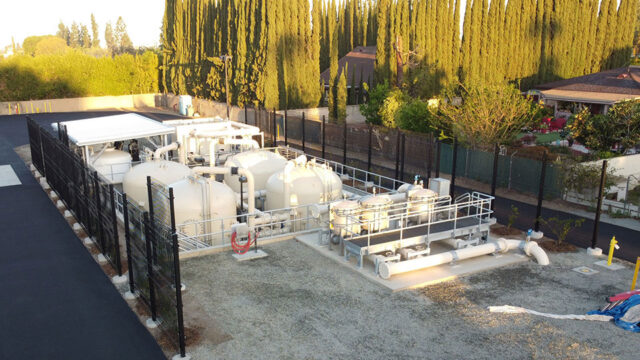
Water Utilities: Breakout Sessions
- Setting, monitoring and reviewing performance standards
- Integrated water management
- Role of the regulator in enforcing health and environmental standards
|
| Module
IV: |
Energy Utilities: Breakout Sessions
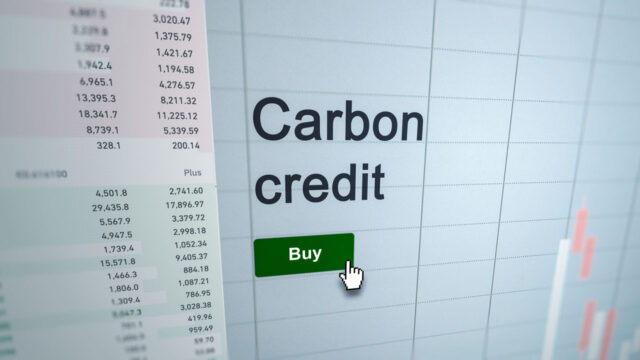
- Carbon trading and pricing
- Mitigation techniques and pricing
- Renewable portfolio standards
- Regulation of electricity transmission
|
| Module
V: |
Accelerating Stakeholder Communication Strategies
- Reaffirming stakeholder needs and their impact on regulatory design
- Promoting consumer protection regulation, complaint filing and hearing procedures
- When and how to consult with consumers, the public and other regulatory stakeholders
- Using television, print and electric media to your advantage
|
| Module
VI: |
Site Visits to Electric and Water Regulatory Authorities |
| Module
VII: |
Action Planning
|
Return to
Top
|
CEU Certification
Eligibility
Certified
Regulation Specialist Certified
Competitive Utility Management Specialist |
Return to
Top
Home |
About IP3 |
Training |
Consulting
Alumni Corner | e-Newsletter | Careers |
Site Index |
Links |
Contact
|