|
 |

PUBLIC POLICY AND GOVERNANCE
Environmental and Energy Security Challenges: Climate Change and Impact on Economic Development |
| Locations |
Dates |
Tuition |
Catalog # |
CEU's |
Language |
| Washington, D.C. |
May 24 - June 4, 2010 |
US $4,750 |
1016-WA |
6.0 |
English |
|
All Course Participants Receive a Laptop
Computer! |
|
Benefits | Who Should Attend | Course Learning Objectives | Course Content |
|
 |
|
How You Will Benefit:
- Learn how climate change is affecting developing countries and threatening economic development
- Learn how climate change affects agricultural production and food security
- Become familiar with best practices in mitigating the effects of climate change
- Understand the global and local strategies to promote renewable energy and reduce greenhouse gases
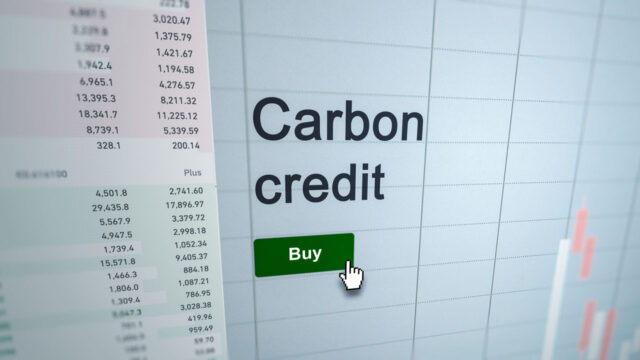
- Learn how to take advantage of carbon trading and plan alternative energy investments
- Visit with leading US climate change experts and alternative energy plants such as wind and solar
- Develop your own Action Plan to implement a climate change mitigation strategy for your own organization and country
- Network and build professional relationships with your fellow participants and leading environmental and energy security experts
|
|
|
Technology and Training at IP3

At IP3, we believe there is a
tremendous opportunity to integrate information and communication technology
into education and training. In all of our Washington, D.C.-based courses, each
participant is provided a new mobile Intel® CoreDuo® or AMD Turion®
laptop computer (as part of the course fees) that will be integrated into the
learning process through the following:
- Course materials provided via dedicated
intranet site
- Internet research and communication tools
via broadband wireless (Wi-Fi) access in the classroom
- Case study and simulation activities
- All Action Plans will be completed and
submitted electronically
After the course is concluded,
access to course materials and discussion boards will be available for up to
two weeks to facilitate worldwide networking and follow up with
participants. |
|
Return to
Top
| Who Should Attend |
|
Commissioners, Directors and Key Staff of energy ministries, regulatory authorities, agencies, and commissions
Ministry Officials responsible for Clean energy, energy planning, and climate change
IP3 alumni who are in the Certification Specialist Programs
Executives and Policy makers from private and public energy and environmental enterprises
Staff of Bilateral and Multilateral International Organizations
Managers and Staff of engineering and finance firms active in alternative energy |
Return to
Top
Course
Learning Objectives
Climate change affects every country in the world but threatens developing countries disproportionally. Over 97% of natural disaster deaths as well as crises caused by food and water shortages occur in developing and emerging market countries. Employment and revenues lost due to reductions in agricultural productivity caused by water scarcity, drought, sea level rises, and forest fires are profound obstacles to economic development. All regions around the world face challenges in combating climate change caused disasters, both natural and man-made.
Sadly and ironically, most of the responsibility for climate change rests with industrialized countries. Over 80% of CO2 emissions at the root of climate change come from industrialized countries in the form of coal fired power plants, automobile emissions, and industrial processes. However, developing countries can mitigate the impacts of climate change by proactively reducing their own carbon footprints, inefficient energy generation practices, and participating in the global dialog to help reduce emissions around the world. Moreover, developing countries can plan and implement innovations to use carbon trading and offsets for their own benefit. There are a variety of strategies and technologies that developing countries can use to reduce the impact of climate change on economic development including policies to mobilize investment into clean energy, change patterns of agricultural production and reduce demand for carbon based fuels.
IP3’s course on Environmental and Energy Security Challenges: Climate Change and Impact on Economic Development is designed to assist government policy makers and regulators, as well as the energy industry and business community design, plan, and regulate strategies and projects to mitigate the impacts of climate change Through practical sessions with leading experts, and site visits to "state of the art" clean energy and eco-friendly facilities, participants in this program will learn how to address one of the leading issues of our times.
Return to Top
“Climate change may be the worlds' greatest challenge. Addressing its impact requires each country to change old habits, embrace new approaches and technologies, and to collaborate intelligently. The problems can be overcome by using new energy and environmental policies and practices. Understanding these solutions is a responsibility and an obligation.”
Matthew Hensley
President, IP3 Return to Top
| Course Content |
|
Module I:
 |
Understanding Energy and Environmental Security Challenges
- Understanding the causes and sources of climate change
- Assessing the biophysical effects of climate change in agriculture, energy demand, and coastal usage
- Taking inventory of the energy and environmental security issues
- Determining what the global community is doing to address climate change and understanding the science and politics of the issue
|
| Module
II: |
Assessing Impacts of Climate Change and Country Vulnerability
- Determining your own country's carbon footprint and status
- Assessing the potential impact of climate change on agriculture production and food security
- Assessing sensitivity to natural disasters and sea level rise
- Calculating the socioeconomic impacts on poverty, food security, and employment
- Determining country vulnerability, exposure, and adaptive capacity
- Preparing an energy and environmental security analysis
|
| Module
III: |
Designing Policy and Investment Strategies to Mitigate Impacts
- Understanding the range of mitigation options
- Preparing policies to reduce carbon-based energy generation and demand
- Designing strategies to attract finance and investment in clean energy
- Formulating strategies to use carbon credits and offsets to promote clean energy and reduce emissions
- Preparing regulatory incentives and penalties to encourage energy and agricultural efficiency
- Encouraging "green entrepreneurs" to address climate change using new and appropriate technology
|
| Module
IV: |
Effective Public Outreach and Awareness
- Conducting communications to the industry
- Making mitigation benefits understandable to citizens and industry
- Participating in international and national agreements and protocols
|
| Module
V: |
Site Visits
|
| Module
VI: |
Action Planning
|
Return to
Top
|
CEU Certification
Eligibility
Certified Regulation Specialist
Certified Utility Management Specialist
|
Return to
Top
Home |
About IP3 |
Training |
Consulting
Alumni Corner | e-Newsletter | Careers |
Site Index |
Links |
Contact
|